FROM ASHRAMS TO ALGORITHMS: A DESIGN-BASED RESEARCH APPROACH TO RECONSTRUCTING THE GURUKUL EXPERIENCE THROUGH VIRTUAL REALITY
Subjects/Theme:
DESIGN-BASED RESEARCH, RECONSTRUCTING THE GURUKUL EXPERIENCEDescription
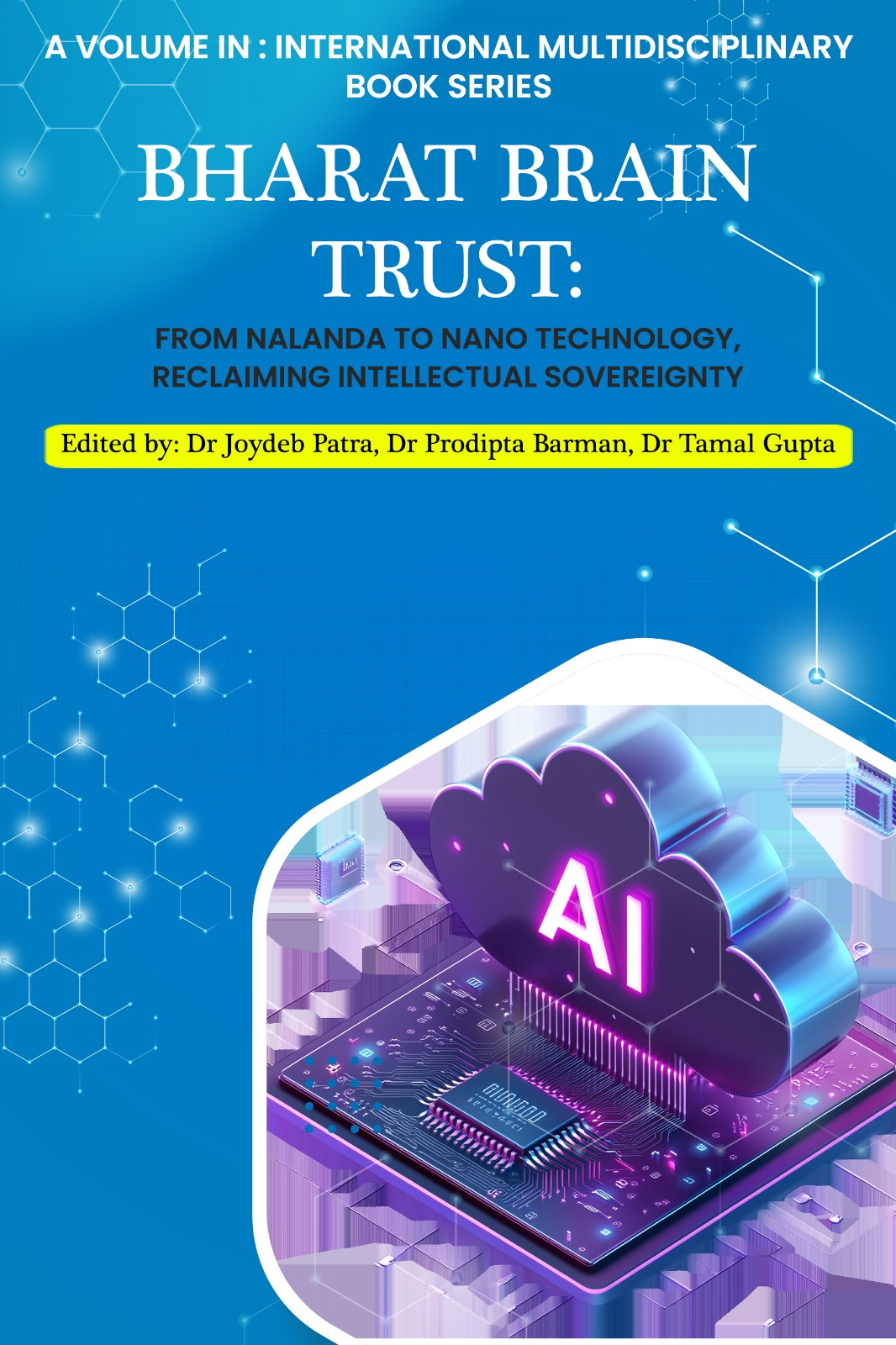
Bharat Brain Trust,
Edited By: Dr. Joydeb Patra, Dr. Prodipta Barman, Dr. Tamal Gupta
DOI: https://doi.org/10.69889/IMBS.978-81-965700-1-9
ISBN: 978-81-965700-1-9
The Indian Gurukul system represents one of the oldest and most sophisticated models of holistic education in human history. Rooted in Vedic philosophy and spiritual discipline, Gurukuls emphasized not merely the accumulation of knowledge but the cultivation of character, ethics, and life skills through close mentorship and immersive living. The student (shishya) lived with the teacher (guru) in an ashram setting, engaging in discourses, rituals, physical labour, meditation, and deep inquiry. The entire learning environment was inherently integrative, blending intellectual, emotional, moral, and spiritual development within a nature-bound and community-oriented space. While this model flourished for centuries, it gradually declined with the advent of colonial education, industrialisation, and centralised schooling systems that prioritised uniformity, examination, and textual learning over personalized and contemplative approaches.