REVIVING ANCIENT PEDAGOGIES - THE GURUKUL SYSTEM IN MODERN EDUCATION
Subjects/Theme:
ANCIENT PEDAGOGIESDescription
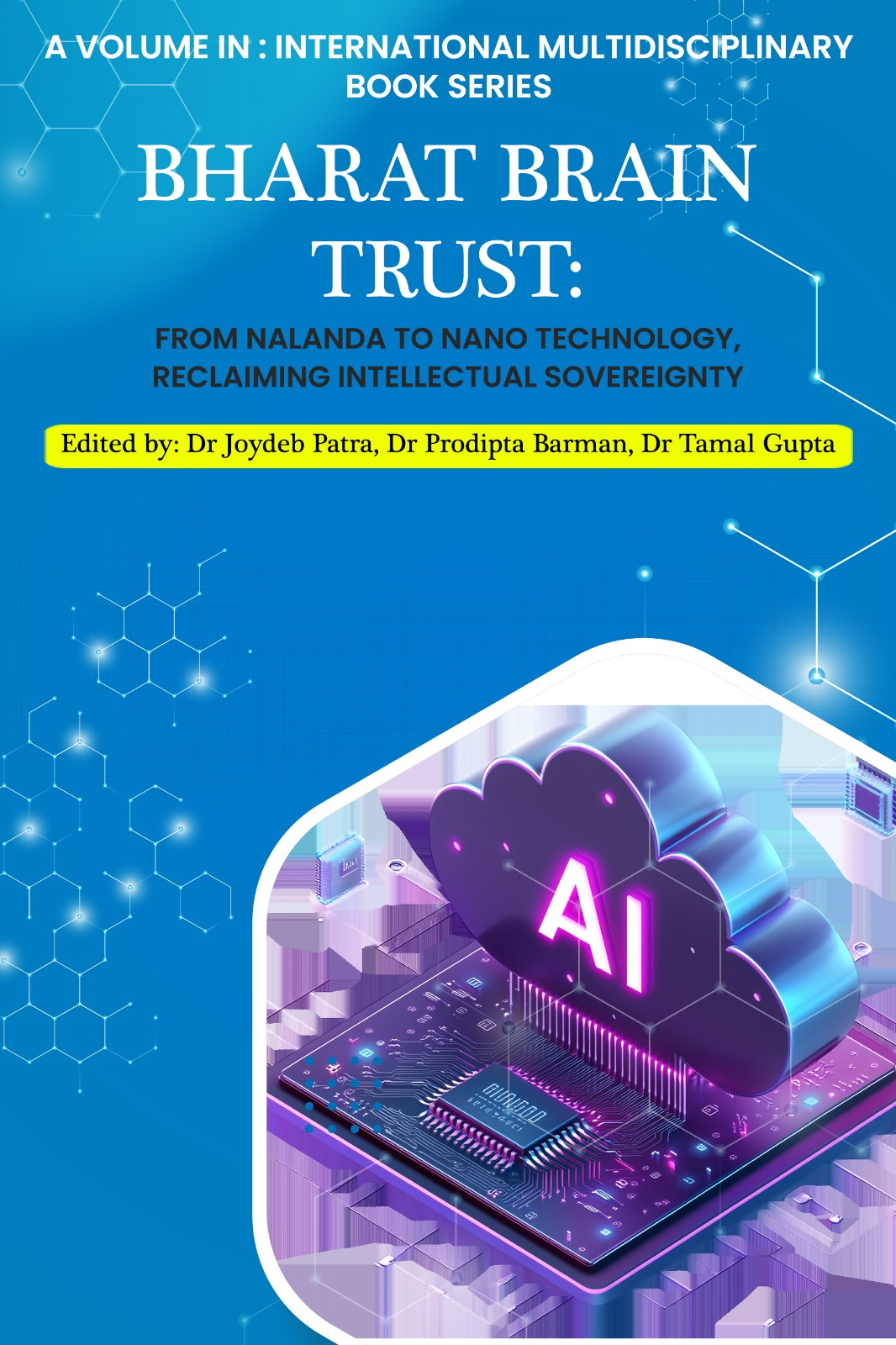
Bharat Brain Trust,
Edited By: Dr. Joydeb Patra, Dr. Prodipta Barman, Dr. Tamal Gupta
DOI: https://doi.org/10.69889/IMBS.978-81-965700-1-9
ISBN: 978-81-965700-1-9
Education is the most important thing for both personal and national growth, everyone says. It's possible that the lesson and the way it's taught are still not the same thing. Because they have different ideas, attitudes, and goals, each group is different from the others. Schools have come a long way in the past few years, but they still have a long way to go. Because they have to remember things, worry about how well they do on tests, and see school as a chore, they don't feel linked to it. They don't learn how to get better or how important morals are. There is a problem with the system as a whole when people are stressed out, have mental health problems, or have trouble getting work even with a degree.
To get their drive and sense of balance back, more and more people are going back to the old ways of learning. One great example of this idea is the Gurukul way of teaching. It was very important to the people of India during and after the Vedic time. This was more than just a school; it was a spot to learn. It was a way of life. Both the teachers and the students believed that learning was an important part of daily life and that character building was just as important as learning.
This part isn't about seeing the Gurukul system as something old that doesn't exist anymore. Instead, it wants people to see it as a source of ideas that can be used effectively in situations that are important to learning today. We can think of education as a process that changes people and supports moral behavior by looking at its historical roots, comparing them to modern institutions, figuring out how relevant they are now, identifying problems, and coming up with new ways to deal with them.